
Local guide
Austin Soil Conditions and Foundation Problems
The single most useful thing an Austin homeowner can understand about foundations: this metro is not geologically uniform, and your neighborhood's ground behaves differently from one twenty minutes away.
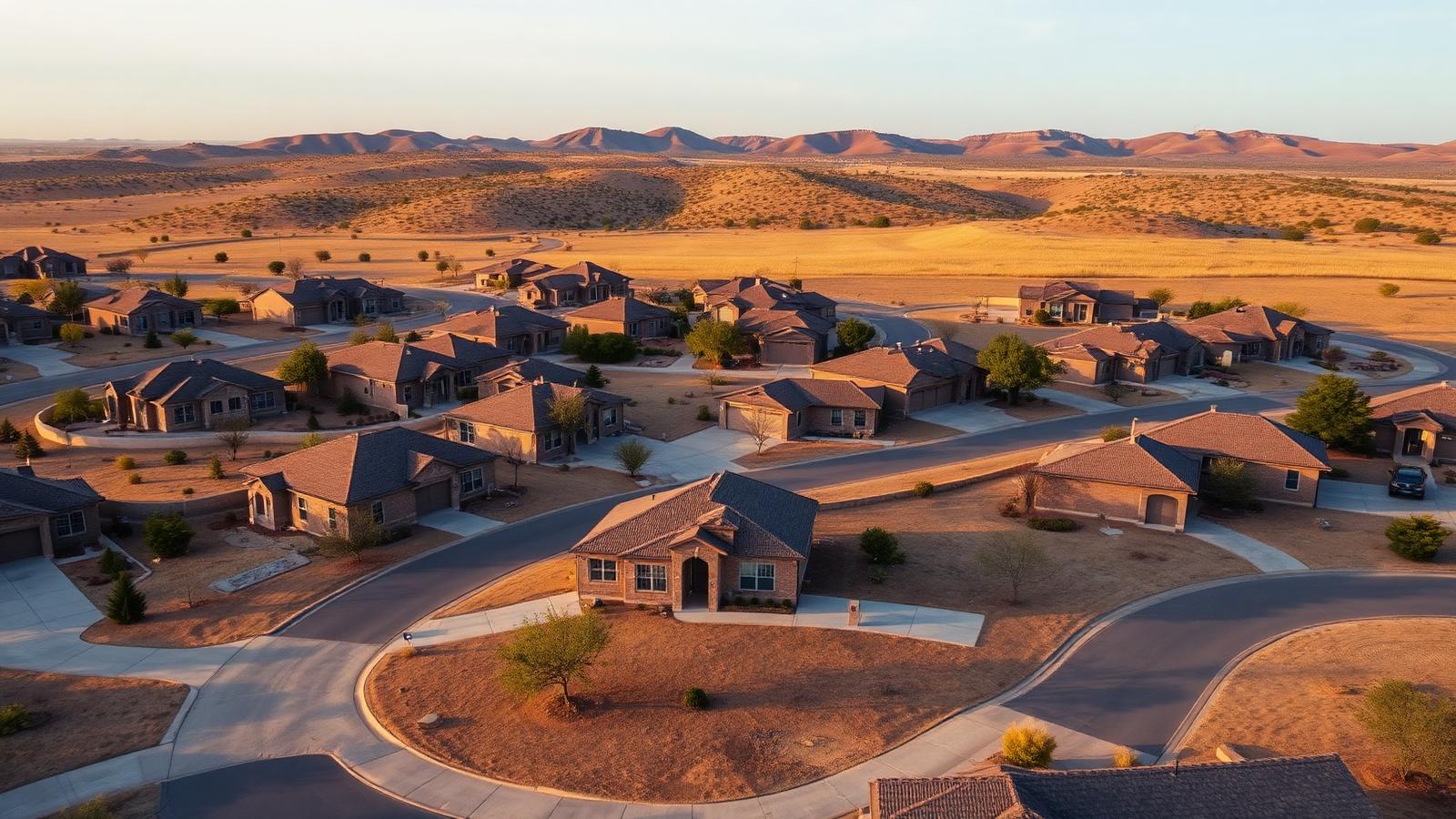
Why Austin is a split market
Much of Central Texas sits near a geological transition. Broadly speaking, ground to the east tends toward deeper, finer-grained soils, while ground to the west trends toward limestone, thinner soil cover and more topographic relief. That transition runs roughly through the metro, which is why foundation behavior here resists simple rules.
Contractors who arrive with a single explanation — "it's the clay" — are applying a model that fits part of this market and not the rest. Understanding which conditions apply to your property changes the diagnosis and, more importantly, the repair.
East, northeast and some outer suburban areas
These parts of the metro are more commonly associated with clay-heavy soils. The defining property of such soils is volume change: they take on water and expand, they lose water and shrink. A foundation bearing on that material effectively sits on ground that changes size with the weather.
- Perimeter soils dry and shrink first during drought, so edges tend to move before interiors
- Gaps opening between soil and slab in late summer are a visible symptom of shrinkage
- Heavy rain after a long deficit can produce rapid moisture gain and heave
- Repeated cycling causes cumulative damage even without any single dramatic event
- Symptoms often follow a seasonal rhythm — worse in late summer, easing after fall rain
Communities like Pflugerville and Manor are where this pattern comes up most often in conversation.
West Austin and the Hill Country side
Move west and the picture changes. Limestone influence, shallower soil cover and real topography dominate. Foundation problems here are less often about a slab floating on reactive clay and more often about how the site was built and how water moves across it.
- Cut-and-fill lots. Sloped ground is leveled during development, leaving part of a slab on native rock and part on engineered fill. Those two portions behave differently over decades.
- Fill consolidation. Where fill is deep or was placed quickly, settlement can appear years after construction.
- Slope-driven water. Runoff crossing a lot from uphill can concentrate against one elevation and erode support.
- Shallow rock. Water that cannot percolate downward moves laterally, sometimes straight toward a foundation.
Cedar Park and Leander illustrate this side of the market.
Wet and dry cycles: the shared mechanism
Whatever is under a house, the trigger is usually the same — a change in how much water is in the supporting soil, applied unevenly around the structure. Central Texas delivers that in an extreme form: multi-month rainfall deficits followed by storms that drop several inches in hours.
Layered on top of the weather are the choices made at each property: irrigation coverage, downspout placement, bed grading, tree location and hardscape. Those local factors frequently explain why one house on a street has visible foundation damage and its neighbors do not. This is where drainage correction and consistent foundation watering practices earn their value.
Why property-level assessment beats a soil map
Regional soil information is useful context and a poor substitute for site observation. Development history, fill depth, drainage patterns, plumbing condition, tree proximity and the age and type of the foundation all vary lot by lot. Two houses forty feet apart can sit on materially different ground.
A foundation evaluation combines elevation readings with what is visible at your specific property. That is how you learn whether you are dealing with settlement, heave, or a drainage condition that has not yet caused structural damage.
Request Your Free Evaluation
Share a few details about the property and what you are seeing. Evaluations are based on visible conditions, elevation readings and site factors at your home.
- Free, on-site foundation evaluation
- Slab and pier-and-beam homes
- Clear explanation of repair options
- Written pricing based on real conditions
Frequently Asked Questions
- Does every Austin home sit on expansive clay?
- No, and that oversimplification causes bad decisions. The Austin area includes clay-influenced soils, limestone-influenced ground, mixed profiles and engineered fill. Which one is under your house depends on where you are and how the lot was developed.
- How do I find out what my property sits on?
- General soil surveys give regional context, but site-specific answers come from how the ground actually behaves at your address — visible conditions, drainage patterns, elevation readings and any geotechnical work done during construction.
- Does new construction avoid these problems?
- Newer homes are typically built to more current standards, but they are also frequently built on graded and filled lots. Fill depth and compaction quality matter a great deal, and problems in newer subdivisions are not unusual.
Concerned About Your Foundation?
Get a free on-site foundation evaluation based on what is actually happening at your property — not a guess from a photo.