
Foundation Heave in Austin, TX
Everyone expects a foundation to sink. In parts of Central Texas, the more damaging movement is often upward — and it is routinely misdiagnosed as settlement.
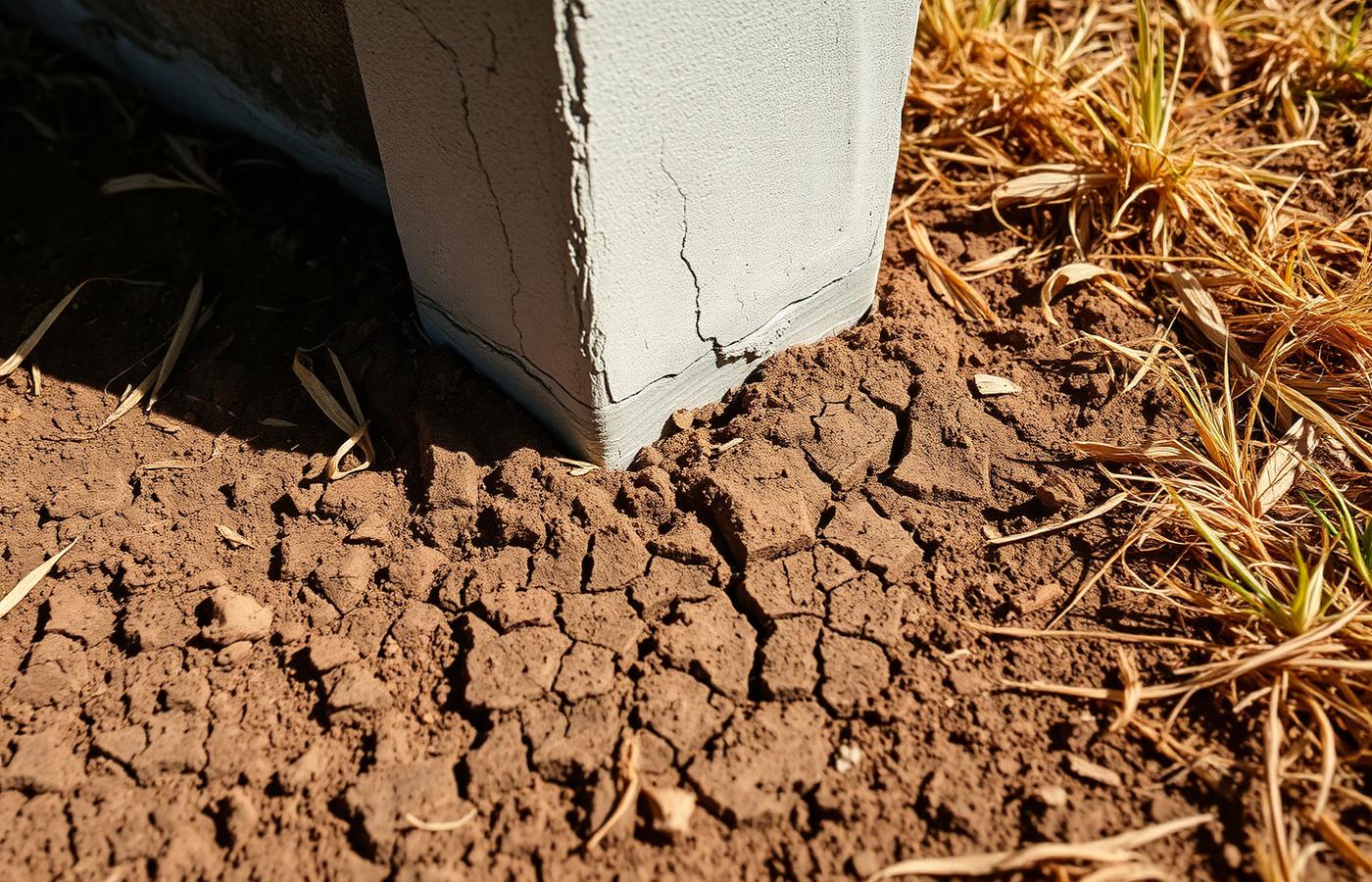
What heave is
Certain soils change volume with moisture content. When they take on water, they expand. If that expansion happens beneath part of a slab, the soil lifts the concrete above it. The house does not sink; a portion of it rises relative to the rest, and the structure absorbs the difference the same way it would absorb settlement — through cracks, racked openings and sloped floors.
This matters in the Austin area because moisture-reactive soils are present in parts of the metro, particularly to the east and northeast, and because our rainfall pattern swings hard between deficit and deluge.
What triggers upward movement
- Heavy rainfall after prolonged drought. Deeply dried soil rehydrates and expands, sometimes rapidly.
- Plumbing leaks beneath the slab. A steady water source in one spot produces very localized swelling — a classic cause of an isolated high area.
- Irrigation habits. A zone running against one wall while the rest of the perimeter stays dry creates exactly the differential that causes damage.
- Drainage that traps water. Beds, hardscape or grading that hold water against one elevation of the house.
- Tree removal. A large tree that had been withdrawing moisture for decades is removed, and soil in that area gradually rehydrates and swells.
Signs that suggest heave rather than settlement
The clearest indicator is elevation shape. Settlement typically produces a low area at a perimeter or corner; heave often produces a high area, sometimes toward the interior, with the floor falling away in multiple directions from that point.
- A perceptible hump or high spot in a floor, often mid-slab
- Cracks radiating outward from a central area rather than converging at a corner
- Interior doors that bind at the top center after wet periods
- Brick cracks that are wider at the bottom than at the top
- Symptoms that appeared or worsened noticeably after a major rain event
- Unexplained increase in the water bill alongside a localized high spot
Why the correction is different
Piers resist downward movement by transferring load to deeper bearing. They do not hold a slab down against soil expansion. Treating heave with underpinning alone can leave the homeowner having spent significant money on a problem that keeps recurring.
Heave is addressed by removing or managing the moisture source: leak detection and repair, drainage correction, irrigation adjustments, and time for soil to equilibrate — then evaluating what structural correction, if any, remains necessary. Compare with settlement, and read Austin soil conditions for regional context.
Request Your Free Evaluation
Share a few details about the property and what you are seeing. Evaluations are based on visible conditions, elevation readings and site factors at your home.
- Free, on-site foundation evaluation
- Slab and pier-and-beam homes
- Clear explanation of repair options
- Written pricing based on real conditions
Frequently Asked Questions
- How is heave different from settlement?
- Settlement is downward movement where support is lost. Heave is upward movement where soil gains volume and pushes. They can produce similar interior damage, but installing piers for a heaving slab does not solve the problem.
- Can a plumbing leak cause heave?
- Yes. A supply or sewer leak beneath a slab introduces water into reactive soil in one location, and localized swelling is a common result. Leak testing is often warranted when the high point of a slab is near plumbing lines.
- Does heave go away when the soil dries out?
- Partially, sometimes. Soils can give back much of the movement as they dry, which is why seasonal cycling is common. Repeated cycling still causes cumulative damage to finishes and masonry.
Concerned About Your Foundation?
Get a free on-site foundation evaluation based on what is actually happening at your property — not a guess from a photo.